Signs Commercial Brick or Stone Mortar Needs Tuckpointing
People searching for signs commercial brick or stone mortar needs tuckpointing are usually looking to repair deteriorated mortar, and local contractors can provide expert tuckpointing services to restore structural integrity and appearance.
Property owners in the area who notice issues with their brick or stone facades often wonder about the best way to preserve the integrity and appearance of their buildings. Signs commercial brick or stone mortar needs tuckpointing can include cracked, crumbling mortar joints, water penetration, or visible gaps that compromise the structure’s stability. Addressing these concerns promptly is essential to prevent further damage and maintain the building’s value. Local contractors who specialize in tuckpointing offer practical solutions to restore and protect masonry, ensuring that the exterior remains durable and visually appealing.
Exploring options for brick or stone tuckpointing services is a smart step for those wanting to keep their properties in top condition. Whether dealing with aging mortar or damage caused by weather, property owners can benefit from the expertise of experienced service providers who understand the unique needs of masonry maintenance. Keep reading to learn more about how local contractors can help identify signs that indicate a need for tuckpointing and provide effective solutions to keep brick and stone structures strong and attractive.
- Signs commercial brick or stone mortar needs tuckpointing may appear as cracked or deteriorating mortar joints, prompting property owners to seek local contractors skilled in tuckpointing. Brick or stone tuckpointing services are often needed when mortar has become loose or damaged, and local pros can restore the structural integrity and appearance. Signs commercial brick or stone mortar needs tuckpointing include efflorescence or visible gaps, which local service providers address through precise mortar renewal techniques. Brick or stone tuckpointing services are essential when weathering causes mortar joints to erode, with local contractors providing expert repairs to protect the building facade. Signs commercial brick or stone mortar needs tuckpointing can also be identified by spalling or crumbling mortar, with local pros offering solutions to prevent further damage.
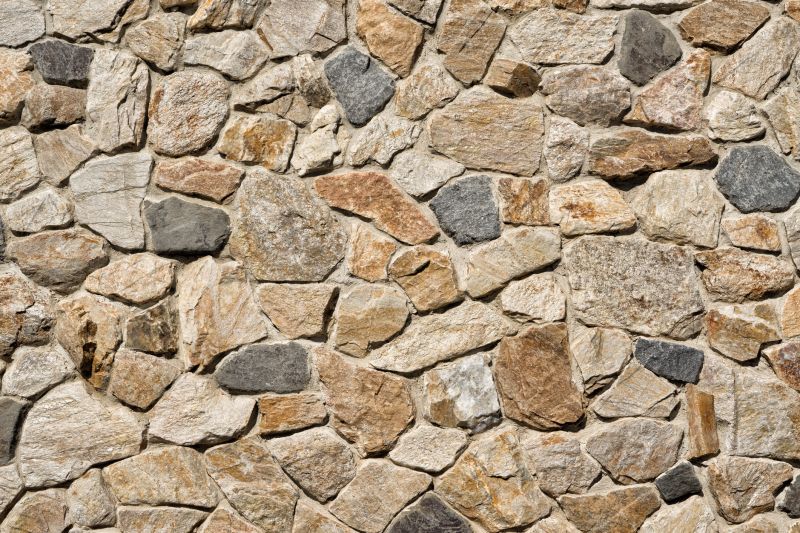
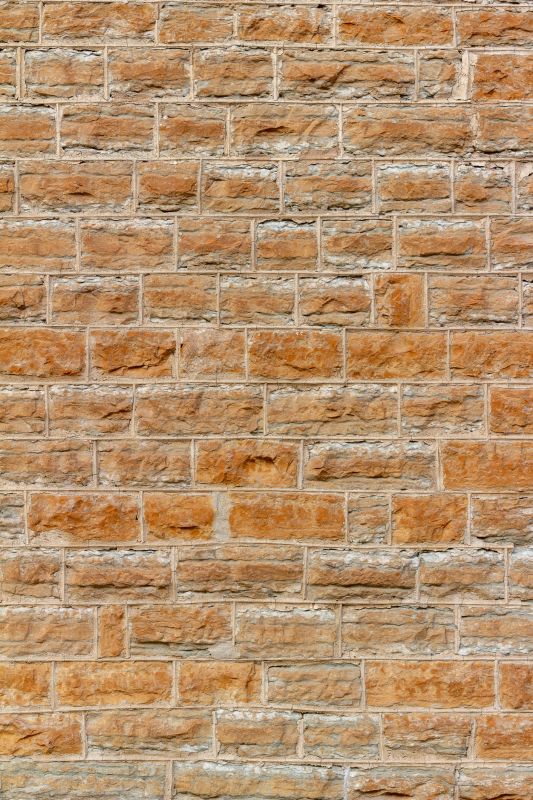
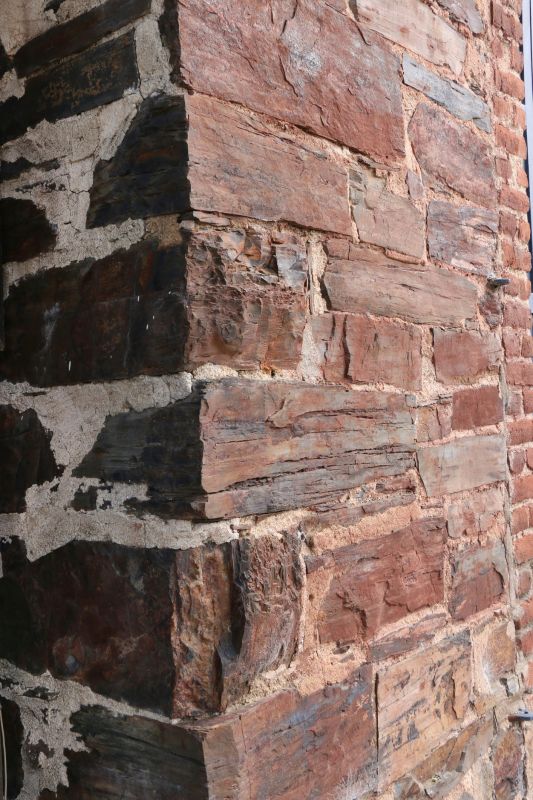
When searching for signs commercial brick or stone mortar needs tuckpointing, property owners are often noticing visible issues with their masonry that indicate underlying problems. Common signs include crumbling or deteriorating mortar joints, cracks running through the brick or stonework, and areas where the mortar has fallen out or becomes loose. These visual cues suggest that the mortar, which holds the bricks or stones together, is no longer providing adequate stability or protection against the elements. Recognizing these signs early can help prevent more extensive damage, such as water infiltration or structural weakening, making it important to understand when tuckpointing services are needed.
This topic is closely tied to property maintenance and renovation plans, especially for commercial buildings, multi-family housing, or historic structures. When mortar begins to show signs of wear, it can compromise the integrity of the entire masonry system. Tuckpointing involves removing damaged mortar and replacing it with fresh material, restoring both the appearance and strength of the wall. Property owners may also consider tuckpointing as part of larger renovation projects aimed at improving curb appeal or complying with safety standards. In many cases, addressing mortar issues promptly can extend the lifespan of a building’s exterior and reduce the need for more costly repairs down the line.
The types of properties that typically require tuckpointing services include commercial brick or stone facades, apartment complexes, office buildings, and historic landmarks. These structures often feature exposed masonry that is highly visible and subject to weathering. Older buildings, in particular, tend to have mortar that deteriorates over time due to exposure to moisture, temperature fluctuations, and pollution. Masonry walls that are part of retail centers, schools, or government facilities may also show signs of mortar damage. Local contractors experienced in tuckpointing can assess these properties to determine the extent of mortar deterioration and recommend appropriate repairs to maintain both safety and aesthetic appeal.
Understanding how signs commercial brick or stone mortar needs tuckpointing relate to real projects helps property owners make informed decisions about maintaining their buildings. When mortar issues are identified, experienced service providers can perform the necessary repairs efficiently, ensuring the masonry remains structurally sound and visually appealing. These professionals specialize in matching mortar colors and textures, which helps preserve the original look of historic or decorative masonry. Connecting with local pros who handle tuckpointing can provide peace of mind that repairs are performed correctly, protecting the investment in the property and ensuring its long-term durability.
Historical Building Restoration - professionals experienced in restoring historic brick or stone structures can address mortar deterioration and preserve the building's integrity, similar to tuckpointing needs.
Chimney Repair and Repointing - local contractors skilled in chimney masonry often perform tuckpointing to ensure stability and prevent moisture intrusion in brick or stone chimneys.
Facade Repair and Restoration - experts in building facades can handle mortar joint repairs to improve appearance and structural soundness of brick or stone exteriors.
Brick Wall Reinforcement - service providers specializing in reinforcing brick walls may perform tuckpointing to enhance durability and prevent further damage.
Stone Veneer Installation - those installing stone veneer often need to prepare and repair mortar joints, aligning with skills used in tuckpointing projects.
Masonry Crack Repair - local masonry specialists who fix cracks in brick or stone structures utilize similar planning and tools as tuckpointing to restore stability.
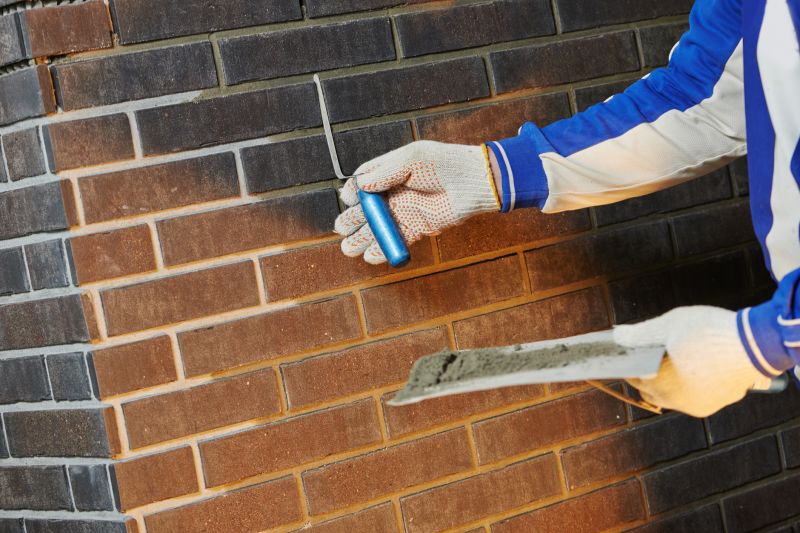
When evaluating service providers for signs commercial brick or stone mortar needs tuckpointing, it is important to consider their experience with similar projects. Contractors who have a proven track record working with brick or stone structures can better understand the specific requirements of tuckpointing in these materials. Asking about past projects or requesting examples of completed work can provide insight into their familiarity with the nuances of restoring and repairing masonry surfaces. An experienced contractor is more likely to recognize potential issues early and deliver results that maintain the integrity and appearance of the building.
Clear written expectations are essential when selecting a local contractor for tuckpointing services. A detailed scope of work that outlines the tasks involved, the materials to be used, and the projected outcomes helps ensure that both parties share a common understanding of the project. This clarity can prevent misunderstandings and provide a basis for evaluating the quality of work once the project is completed. Homeowners should seek service providers who are willing to communicate their approach and provide thorough explanations of the process, so expectations are aligned from the outset.
Reputable references and good communication are key factors to consider when comparing local contractors for signs commercial brick or stone mortar needs tuckpointing. Speaking with previous clients or reviewing testimonials can offer valuable perspectives on the contractor’s reliability, professionalism, and quality of work. Additionally, a contractor who maintains open, timely, and transparent communication throughout the project demonstrates a commitment to customer service. These qualities can help ensure that the project progresses smoothly and that any questions or concerns are addressed promptly, leading to a more satisfactory overall experience.
Property owners often search for signs commercial brick or stone mortar needs tuckpointing when they are planning practical projects around their homes and businesses. Local pros provide Brick or Stone Tuckpointing services for everyday jobs and straightforward project options.
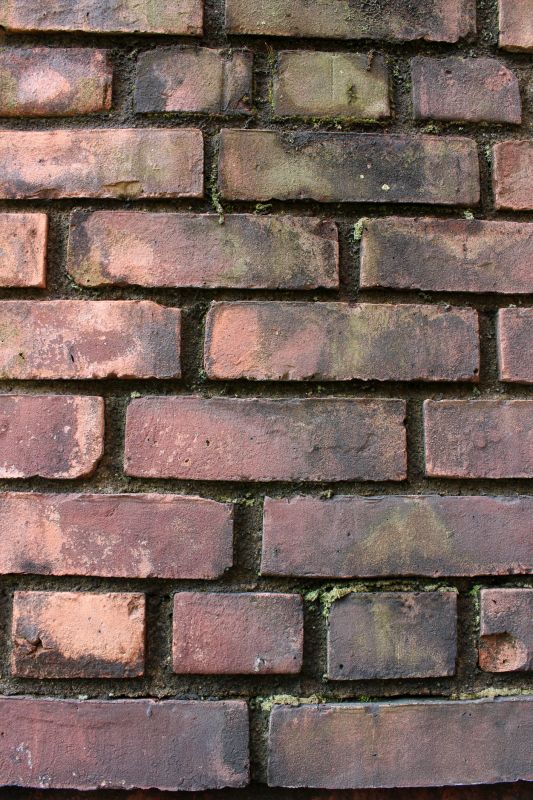
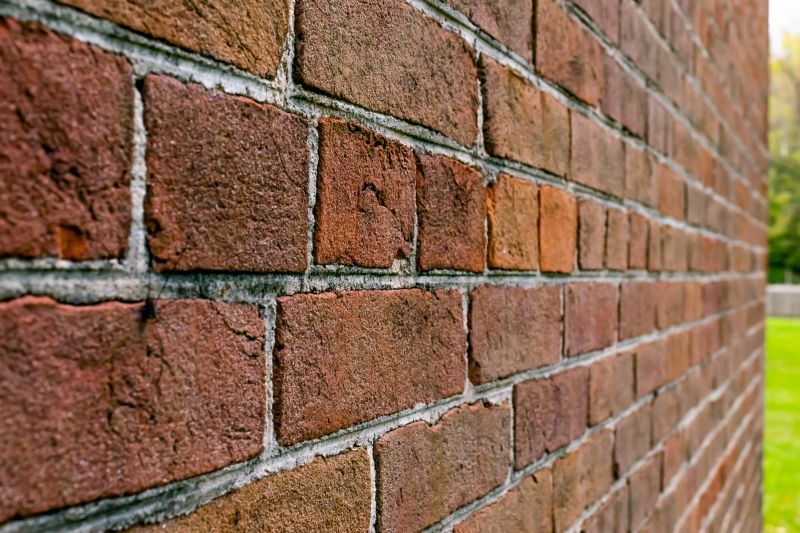
Property owners noticing cracks, crumbling mortar, or deteriorated joints in their brick or stone exteriors might consider tuckpointing services to restore the integrity and appearance of their buildings. These signs often indicate that the mortar has weakened over time, making the structure more vulnerable to weather damage and other issues. In many cases, local contractors specializing in brick and stone repair can assess the situation and determine whether tuckpointing is needed to prevent further deterioration and maintain the property's value.
For those experiencing visible mortar damage or signs of mortar erosion, seeking out experienced service providers can help address these problems efficiently. Tuckpointing can improve the stability of brick or stone walls and enhance their visual appeal. Local pros who handle this type of work are equipped to perform the necessary repairs, ensuring that the masonry remains durable and attractive for years to come.
What are common signs that brick or stone mortar needs tuckpointing? Visible cracks, crumbling mortar, and gaps between bricks or stones often indicate the need for tuckpointing services from local contractors.
How can I tell if my building's mortar is deteriorating? Signs include loose or missing mortar, water infiltration, and visible deterioration around joints, prompting the need for professional tuckpointing.
Why is it important to address mortar issues promptly? Prompt repair helps prevent structural damage, water damage, and further deterioration, which local service providers can help resolve effectively.
What types of signs suggest tuckpointing is needed on brick or stone exteriors? Discolored or darkened mortar, efflorescence, and mortar that appears soft or crumbly are indicators that tuckpointing may be necessary.
How do professionals determine if tuckpointing is the right solution? Experienced contractors assess the condition of the mortar, the extent of damage, and the overall stability of the brick or stonework to recommend appropriate repairs.
Identify cracked or deteriorating mortar - noticing loose or crumbling mortar can help property owners determine when tuckpointing services are needed to maintain brick or stone integrity.
Watch for water infiltration signs - signs commercial brick or stone mortar needs tuckpointing when moisture seeps into walls, risking further damage if left unaddressed.
Inspect for efflorescence or staining - discoloration or white deposits on masonry surfaces may indicate mortar deterioration that requires professional tuckpointing.
Assess overall mortar joint condition - uneven or recessed mortar joints suggest the need for tuckpointing to restore stability and appearance with the help of local contractors.
If you are thinking about signs commercial brick or stone mortar needs tuckpointing for a property, this guide is meant to help you understand this topic, the typical project types, and how different options might fit your plans.
When you are ready, you can use the quote form on this page to share a few details about your project. From there, local pros can review the basics and follow up with options that match what you have in mind.